
Corporate Diplomacy
Market entry, government approvals, and cross-border advisory for companies, investors, and institutions, from New Orleans and Washington.
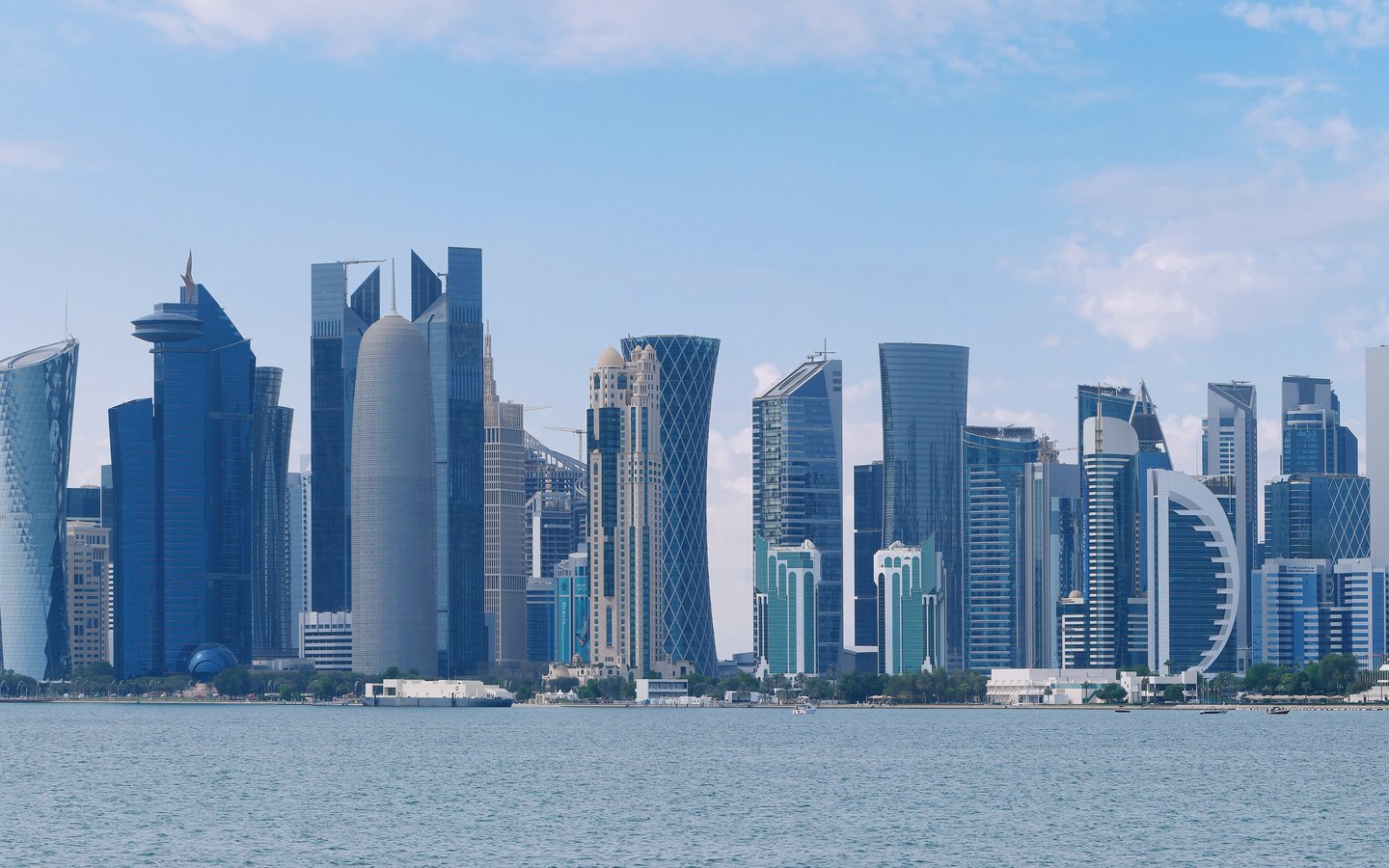
Doha
Cross-border projects that turn on a government’s approval
Companies build LNG terminals, shipyards, ports, and petrochemical plants, or write insurance, in places where they have never met the officials who decide. We name those officials, say what each will need to see, and run that work for the client, abroad and on the U.S. Gulf Coast.
The practice is built for whoever answers for the project: a chief executive or a board, an investor or family office, a state-owned enterprise or sovereign institution looking at the U.S. market.
Where a matter calls for it, we engage senior advisors who have dealt with that government before. That may mean a former ambassador or trade official, a port or energy executive, or counsel in the other country. They sit with our team, and the client knows who they are. The plan and the day-to-day work stay with the firm, in New Orleans and Washington.
Every mandate is screened first
Screen the mandate. Before we act, we screen the client and the matter, and we settle whether registration is required. If it can’t be done cleanly, we decline.
Map the approvals. We work out which decisions the project turns on and who makes each one, using our own research. The client gets it in writing before we ask anyone for a meeting.
Run the plan. A sequenced plan with the outcome at the top: meetings, submissions, introductions, dates. We run it with the client and adjust as the matter moves. Every step has a named lead and a written sign-off before it starts.
Close the matter. We report what happened and why, against the outcome written down at the start.

Pretoria
Where we have worked abroad
Canada, Mexico, Brazil, Guyana, Suriname, the United Kingdom, France, the European Union, Côte d’Ivoire, Nigeria, DR Congo, South Africa, Kenya, Mauritius, Réunion, Georgia, Azerbaijan, Saudi Arabia, Qatar, India, Malaysia, and Singapore.
The parts of an engagement
Market entry A plan for entering a new market, abroad or on the U.S. Gulf Coast: the permits a project needs, who grants them, and the order to approach them in.
Government approvals Day-to-day work with the offices that grant a project’s approvals: ministries and regulators abroad, and federal agencies, governors’ offices, state agencies, and port authorities at home. We prepare each meeting and sit in it with the client.
Stakeholder mapping A written map of the regulators, elected officials, and local business and community groups around a project, including the ones who can stop it. Updated until the last approval is in.
Introductions Meetings in person with the officials, executives, and counterparts a project needs, each for a purpose the client has defined.
Political-risk analysis A plain assessment of the political and regulatory changes that could affect a project or investment, and how likely each one is.
Investment attraction The other side of the table: helping an American company, port, or local government bring a foreign investor in and get the approvals that follow.
Technology standards Making the case for a technology to become a country’s standard, in the ministry’s own terms of cost, compliance, emissions, and national goals, through to the regulations and tenders that require it.
Transaction support Alongside counsel and the deal team, the part of a cross-border transaction that runs through government: the approvals it needs and the officials who will weigh in.
Cross-border advisory For a company going abroad: which ministry or agency holds each approval, and the local counsel and commercial counterparts it will need.
Screening and registration
Where work for a foreign government or a state-controlled entity touches U.S. policy or public opinion, we register under the Foreign Agents Registration Act before it begins. Every foreign mandate is screened for sanctions, anti-corruption, and export-control exposure before we accept it.